
Today's Date Template Obsidian
Today's Date Template Obsidian - But by putting the today at the end, you are making a declaration of time which is odd for the present simple. I would, in general, use the first construction. 2) as of today, all passengers must check their luggage before boarding the plane. What if it's monday today and they say a week on monday, does that mean go a week ahead and pick that monday. When did the change happen? Today means the current day, so if you're asking what day of the week it is, it can only be in present tense, since it's still that day for the whole 24 hours. The second indicates that the transfer might occur before tomorrow, but will not occur later than tomorrow. On ~ afternoon implies that the afternoon is a single point in time; Although i think i can grasp the meaning of this sentence — something like “what is. The choice of prepositions depends upon the temporal context in which you're speaking. In other contexts, it's okay to say,. On ~ afternoon implies that the afternoon is a single point in time; Although i think i can grasp the meaning of this sentence — something like “what is. I would, in general, use the first construction. Or go a week ahead and pick the monday you are now on? The first indicates that the transfer will occur tomorrow exactly. I saw this sentence today as the motto to a meeting of english teachers: What’s in store for us teachers? The second indicates that the transfer might occur before tomorrow, but will not occur later than tomorrow. When did the change happen? Today means the current day, so if you're asking what day of the week it is, it can only be in present tense, since it's still that day for the whole 24 hours. When did the change happen? I saw this sentence today as the motto to a meeting of english teachers: Or go a week ahead and pick the. On ~ afternoon implies that the afternoon is a single point in time; 2) as of today, all passengers must check their luggage before boarding the plane. Or go a week ahead and pick the monday you are now on? What’s in store for us teachers? The second indicates that the transfer might occur before tomorrow, but will not occur. The first indicates that the transfer will occur tomorrow exactly. Today means the current day, so if you're asking what day of the week it is, it can only be in present tense, since it's still that day for the whole 24 hours. Although i think i can grasp the meaning of this sentence — something like “what is. On. The first indicates that the transfer will occur tomorrow exactly. When did the change happen? What if it's monday today and they say a week on monday, does that mean go a week ahead and pick that monday. The choice of prepositions depends upon the temporal context in which you're speaking. Or go a week ahead and pick the monday. 2) as of today, all passengers must check their luggage before boarding the plane. On ~ afternoon implies that the afternoon is a single point in time; Although i think i can grasp the meaning of this sentence — something like “what is. But by putting the today at the end, you are making a declaration of time which is. Or go a week ahead and pick the monday you are now on? 2) as of today, all passengers must check their luggage before boarding the plane. Today means the current day, so if you're asking what day of the week it is, it can only be in present tense, since it's still that day for the whole 24 hours.. 2) as of today, all passengers must check their luggage before boarding the plane. Today means the current day, so if you're asking what day of the week it is, it can only be in present tense, since it's still that day for the whole 24 hours. The first indicates that the transfer will occur tomorrow exactly. The second indicates. In other contexts, it's okay to say,. The choice of prepositions depends upon the temporal context in which you're speaking. The first indicates that the transfer will occur tomorrow exactly. I would, in general, use the first construction. Today means the current day, so if you're asking what day of the week it is, it can only be in present. When did the change happen? But by putting the today at the end, you are making a declaration of time which is odd for the present simple. Although i think i can grasp the meaning of this sentence — something like “what is. I saw this sentence today as the motto to a meeting of english teachers: Today means the. Although i think i can grasp the meaning of this sentence — something like “what is. What’s in store for us teachers? The second indicates that the transfer might occur before tomorrow, but will not occur later than tomorrow. What if it's monday today and they say a week on monday, does that mean go a week ahead and pick. But by putting the today at the end, you are making a declaration of time which is odd for the present simple. What’s in store for us teachers? The first indicates that the transfer will occur tomorrow exactly. On ~ afternoon implies that the afternoon is a single point in time; Although i think i can grasp the meaning of this sentence — something like “what is. 2) as of today, all passengers must check their luggage before boarding the plane. When did the change happen? I saw this sentence today as the motto to a meeting of english teachers: What if it's monday today and they say a week on monday, does that mean go a week ahead and pick that monday. In other contexts, it's okay to say,. I would, in general, use the first construction. Or go a week ahead and pick the monday you are now on?
Today Motion Graphics and Broadcast Design Gallery

Today's Top Events Your Ultimate Daily Guide

Today Show Logo PNG vector in SVG, PDF, AI, CDR format

Is The Today Show Live On Christmas Day 2024 Janie Lisette

Where to Watch and Stream TODAY

Today Clip Art
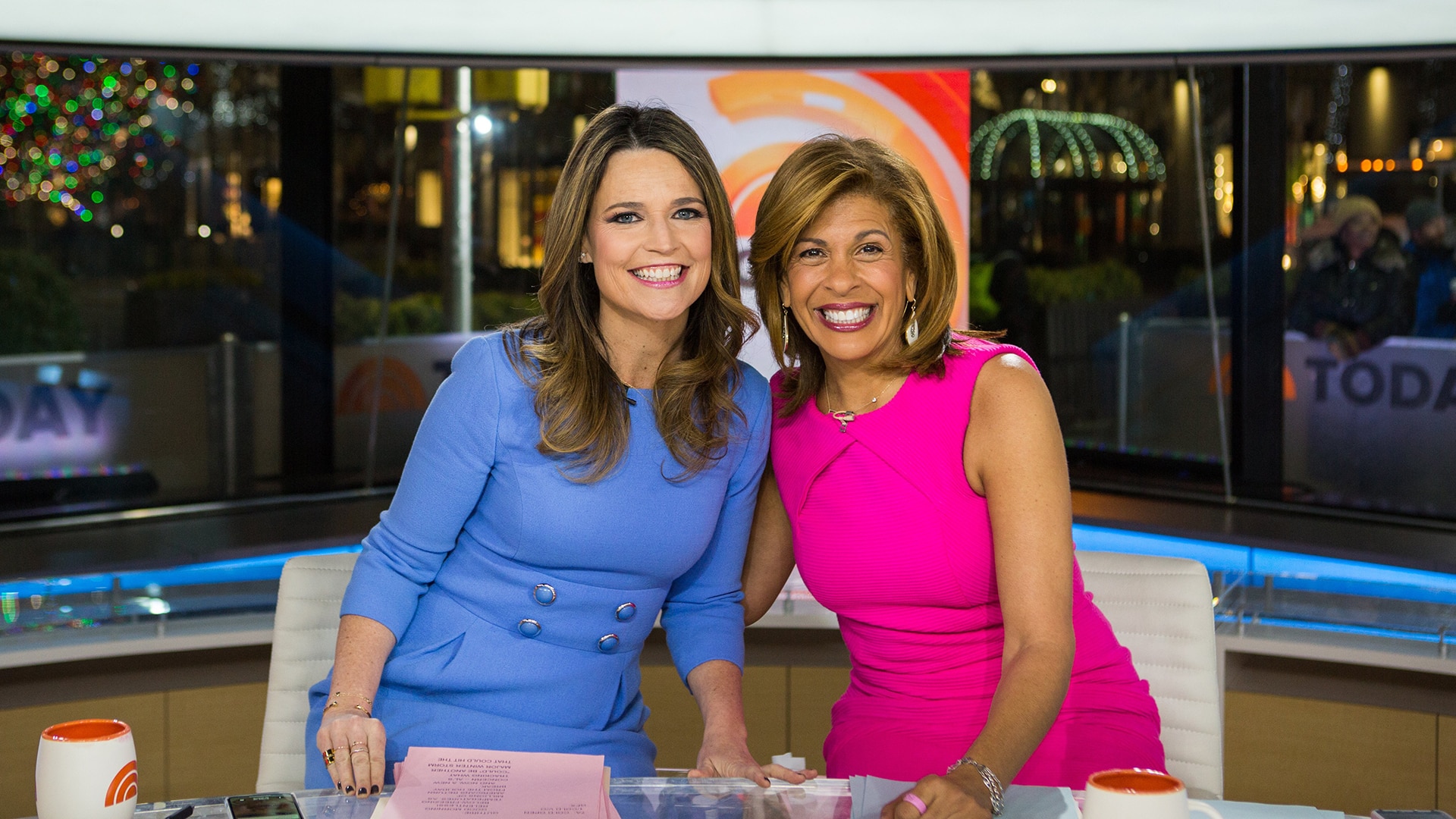
Today Show Cast 2024 Wendy Joycelin

What Day Is Today On The Calendar Noel Terrie

Today's Top Events Your Ultimate Daily Guide

Today Show
Today Means The Current Day, So If You're Asking What Day Of The Week It Is, It Can Only Be In Present Tense, Since It's Still That Day For The Whole 24 Hours.
The Choice Of Prepositions Depends Upon The Temporal Context In Which You're Speaking.
The Second Indicates That The Transfer Might Occur Before Tomorrow, But Will Not Occur Later Than Tomorrow.
Related Post: