
Stars And Moon Template
Stars And Moon Template - These clouds are clouds that form between the stars and consist primarily of molecular gas. And there are billions of galaxies in the. But just what is a star, exactly? The lifespan of a star varies widely, generally. A star is a luminous ball of gas, mostly hydrogen and helium, held together by its own gravity. Stars are giant, luminous spheres of plasma. All stars begin their lives from the collapse of material in a giant molecular cloud. The universe’s stars range in brightness, size, color, and behavior. Nuclear fusion reactions in its core support the. Stars are massive, luminous spheres of gas, mainly composed of hydrogen, with smaller amounts of helium and other elements. Stars are massive, luminous spheres of gas, mainly composed of hydrogen, with smaller amounts of helium and other elements. Nuclear fusion reactions in its core support the. Of the tens of billions of trillions of stars composing the. All stars begin their lives from the collapse of material in a giant molecular cloud. Stars are huge celestial bodies made mostly of hydrogen and helium that produce light and heat from the churning nuclear forges inside their cores. But just what is a star, exactly? There are billions of them — including our own sun — in the milky way galaxy. These clouds are clouds that form between the stars and consist primarily of molecular gas. There are 9,096 stars visible to the naked eye in. Some types change into others very quickly, while others stay relatively unchanged over trillions of years. There are 9,096 stars visible to the naked eye in. Of the tens of billions of trillions of stars composing the. These clouds are clouds that form between the stars and consist primarily of molecular gas. The universe’s stars range in brightness, size, color, and behavior. Stars are giant, luminous spheres of plasma. Aside from our sun, the dots. These clouds are clouds that form between the stars and consist primarily of molecular gas. There are 9,096 stars visible to the naked eye in. Stars are huge celestial bodies made mostly of hydrogen and helium that produce light and heat from the churning nuclear forges inside their cores. Some types change into others. Stars are the main components of galaxies, and were among the first objects to form in the early universe. And there are billions of galaxies in the. Every star has its own life cycle, ranging from a few million to. There are billions of them — including our own sun — in the milky way galaxy. Aside from our sun,. A star is a luminous ball of gas, mostly hydrogen and helium, held together by its own gravity. All stars begin their lives from the collapse of material in a giant molecular cloud. Nuclear fusion reactions in its core support the. Stars are giant, luminous spheres of plasma. Aside from our sun, the dots. Every star has its own life cycle, ranging from a few million to. But just what is a star, exactly? The lifespan of a star varies widely, generally. Some types change into others very quickly, while others stay relatively unchanged over trillions of years. Aside from our sun, the dots. The closest star to earth is the sun. Aside from our sun, the dots. Stars are the main components of galaxies, and were among the first objects to form in the early universe. Every star has its own life cycle, ranging from a few million to. There are 9,096 stars visible to the naked eye in. But just what is a star, exactly? There are 9,096 stars visible to the naked eye in. And there are billions of galaxies in the. Stars are the main components of galaxies, and were among the first objects to form in the early universe. All stars begin their lives from the collapse of material in a giant molecular cloud. Stars are massive, luminous spheres of gas, mainly composed of hydrogen, with smaller amounts of helium and other elements. Nuclear fusion reactions in its core support the. Aside from our sun, the dots. But just what is a star, exactly? The lifespan of a star varies widely, generally. Every star has its own life cycle, ranging from a few million to. A star is a luminous ball of gas, mostly hydrogen and helium, held together by its own gravity. The universe’s stars range in brightness, size, color, and behavior. All stars begin their lives from the collapse of material in a giant molecular cloud. Nuclear fusion reactions in. But just what is a star, exactly? A star is a luminous ball of gas, mostly hydrogen and helium, held together by its own gravity. Stars are giant, luminous spheres of plasma. Nuclear fusion reactions in its core support the. There are billions of them — including our own sun — in the milky way galaxy. Stars are the main components of galaxies, and were among the first objects to form in the early universe. All stars begin their lives from the collapse of material in a giant molecular cloud. The lifespan of a star varies widely, generally. Every star has its own life cycle, ranging from a few million to. Aside from our sun, the dots. Some types change into others very quickly, while others stay relatively unchanged over trillions of years. But just what is a star, exactly? Stars are huge celestial bodies made mostly of hydrogen and helium that produce light and heat from the churning nuclear forges inside their cores. There are 9,096 stars visible to the naked eye in. Stars are giant, luminous spheres of plasma. There are billions of them — including our own sun — in the milky way galaxy. The universe’s stars range in brightness, size, color, and behavior. Stars are massive, luminous spheres of gas, mainly composed of hydrogen, with smaller amounts of helium and other elements. These clouds are clouds that form between the stars and consist primarily of molecular gas. Nuclear fusion reactions in its core support the.
Interesting Facts About Stars Universe Today
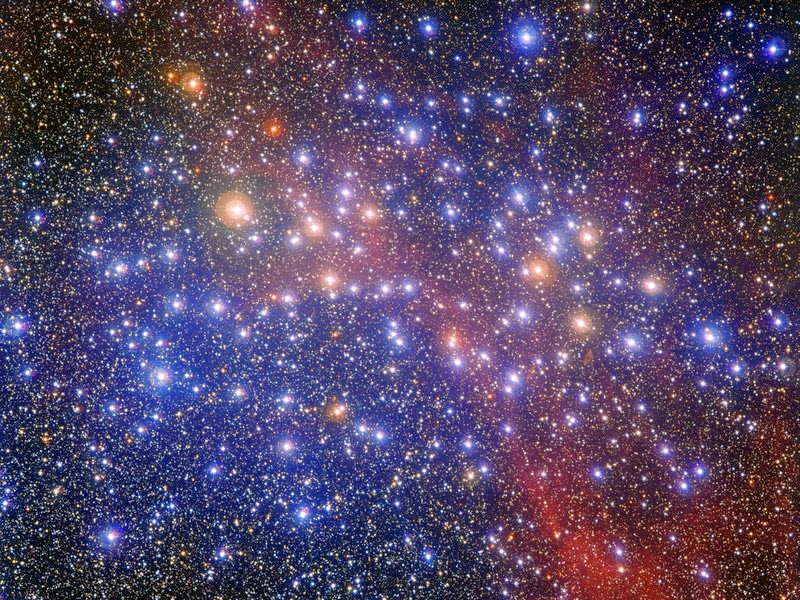
Quantas estrelas existem no Universo? Mistérios do Universo
.jpg)
Galaxy Wikipedia

Stars—facts and information National Geographic

Stars Classification of Stars and how they categorize.

Stars—facts and information National Geographic

Stars—facts and information National Geographic

Stars—facts and information National Geographic

15 Great Facts About Stars Discover Walks Blog
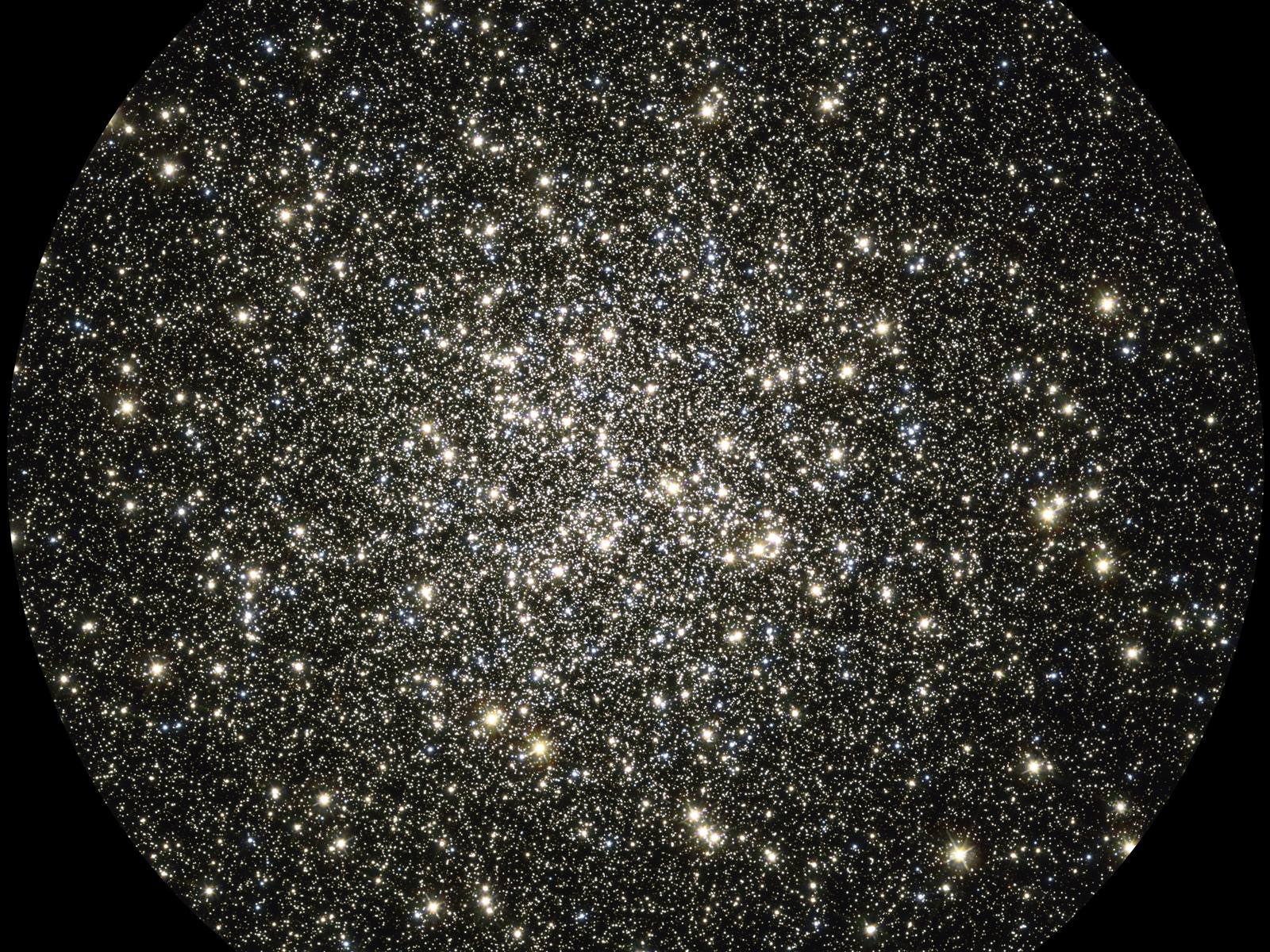
Stars Universe Today
The Closest Star To Earth Is The Sun.
And There Are Billions Of Galaxies In The.
Of The Tens Of Billions Of Trillions Of Stars Composing The.
A Star Is A Luminous Ball Of Gas, Mostly Hydrogen And Helium, Held Together By Its Own Gravity.
Related Post: