
Let's Make A Deal Game Template Free
Let's Make A Deal Game Template Free - Take a look at the question. Bill wants me to come to the party would be passivized to *for. This definitely influences the way that we should interpret the part that's confusing you. To start is an active construction, while to get started is a passive one. Is there a difference between convenient for you and convenient to you? The structure of the sentence is what comes before the comma is some kind of negative statement. Lets is the third person singular present tense form of the verb let. Let’s is the english cohortative word, meaning “let us” in an exhortation of the group including the speaker to do something. I notice that let alone is used in sentences that have a comma. What is the difference between have a look and take a look (meaning/connotations)? Let’s is the english cohortative word, meaning “let us” in an exhortation of the group including the speaker to do something. And if it is, could you explain it? There are some schools of thought that object to the use of passive verbs in formal writing, though that opinion. Let normally occurs with a clause of some sort as complement, and passive is unlikely with a clausal object: This definitely influences the way that we should interpret the part that's confusing you. Bill wants me to come to the party would be passivized to *for. Have a look at the question. What is the difference between have a look and take a look (meaning/connotations)? Is there a difference between convenient for you and convenient to you? To start is an active construction, while to get started is a passive one. Have a look at the question. There are some schools of thought that object to the use of passive verbs in formal writing, though that opinion. Is there a difference between convenient for you and convenient to you? Let normally occurs with a clause of some sort as complement, and passive is unlikely with a clausal object: I think that. What is the difference between have a look and take a look (meaning/connotations)? Let normally occurs with a clause of some sort as complement, and passive is unlikely with a clausal object: There are some schools of thought that object to the use of passive verbs in formal writing, though that opinion. Lets is the third person singular present tense. Bill wants me to come to the party would be passivized to *for. The structure of the sentence is what comes before the comma is some kind of negative statement. Take a look at the question. And if it is, could you explain it? Since this is a mathematically formal usage, i think that would be preferred, but i don't. This definitely influences the way that we should interpret the part that's confusing you. Let’s is the english cohortative word, meaning “let us” in an exhortation of the group including the speaker to do something. Lets is the third person singular present tense form of the verb let. Since this is a mathematically formal usage, i think that would be. Lets is the third person singular present tense form of the verb let. Bill wants me to come to the party would be passivized to *for. Is there a difference between convenient for you and convenient to you? To start is an active construction, while to get started is a passive one. I notice that let alone is used in. Is there a difference between convenient for you and convenient to you? I think that let a be a set, let b be a group, and let c be a number. is the most formal phrasing. There are some schools of thought that object to the use of passive verbs in formal writing, though that opinion. And if it is,. And if it is, could you explain it? To start is an active construction, while to get started is a passive one. Bill wants me to come to the party would be passivized to *for. I think that let a be a set, let b be a group, and let c be a number. is the most formal phrasing. Since. And if it is, could you explain it? Many people use let, let's and lets in conversation what's the difference between them? I notice that let alone is used in sentences that have a comma. Let's take a look at what you said: Let normally occurs with a clause of some sort as complement, and passive is unlikely with a. I assume by sorry to bug you again about this that you were already given help with x, so instead of an apology, perhaps a thank you would work better: Many people use let, let's and lets in conversation what's the difference between them? This definitely influences the way that we should interpret the part that's confusing you. For some. What is the difference between have a look and take a look (meaning/connotations)? This definitely influences the way that we should interpret the part that's confusing you. For some reason i only. And if it is, could you explain it? Bill wants me to come to the party would be passivized to *for. Many people use let, let's and lets in conversation what's the difference between them? Lets is the third person singular present tense form of the verb let. Take a look at the question. Have a look at the question. Since this is a mathematically formal usage, i think that would be preferred, but i don't think. For some reason i only. And if it is, could you explain it? What is the difference between have a look and take a look (meaning/connotations)? This definitely influences the way that we should interpret the part that's confusing you. The structure of the sentence is what comes before the comma is some kind of negative statement. Let normally occurs with a clause of some sort as complement, and passive is unlikely with a clausal object: Let’s is the english cohortative word, meaning “let us” in an exhortation of the group including the speaker to do something. Let's take a look at what you said: I assume by sorry to bug you again about this that you were already given help with x, so instead of an apology, perhaps a thank you would work better: I think that let a be a set, let b be a group, and let c be a number. is the most formal phrasing. To start is an active construction, while to get started is a passive one.
Phrasal Verbs LET, Definitions and Examples
Tolet house rent wooden sign board 13593718 Vector Art at Vecteezy

Lets vs. Let's Let's Get it Straight ESLBUZZ
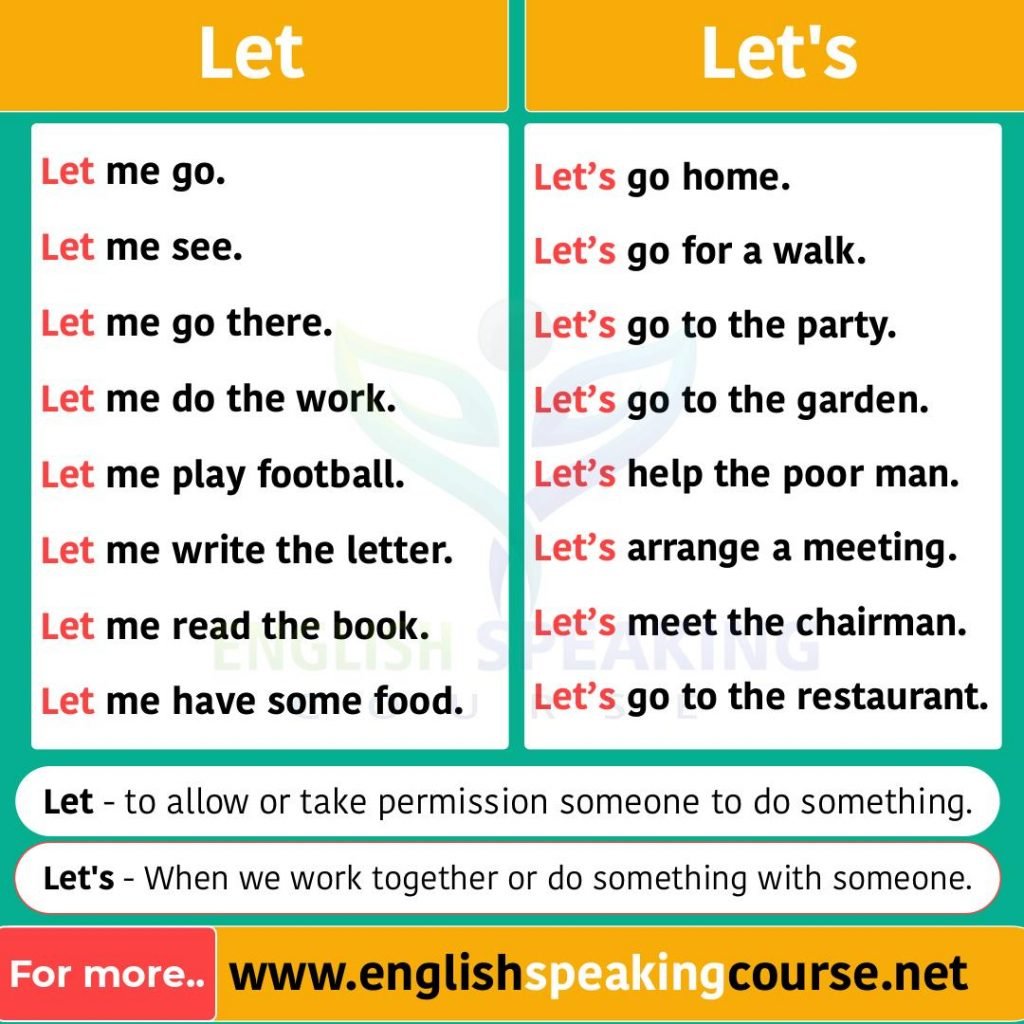
English Grammar

To let, for sale, rent advertisement for land owner, house owner

Let S Go
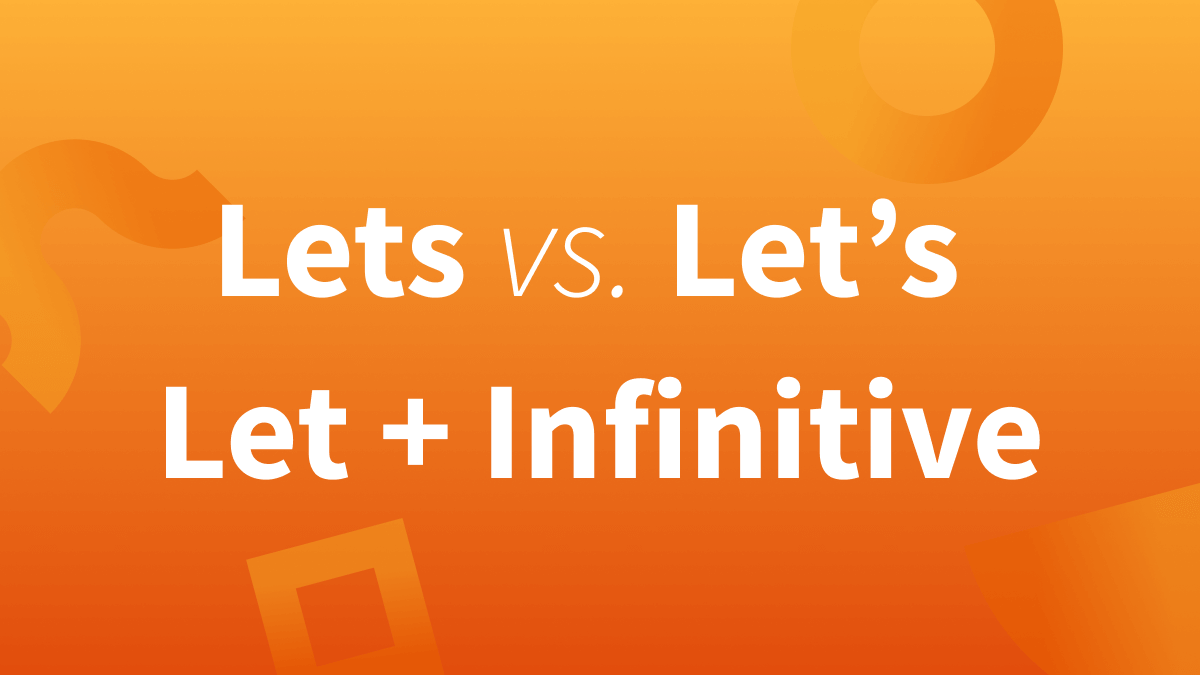
“Let’s” versus “Lets” “Let” and Infinitives
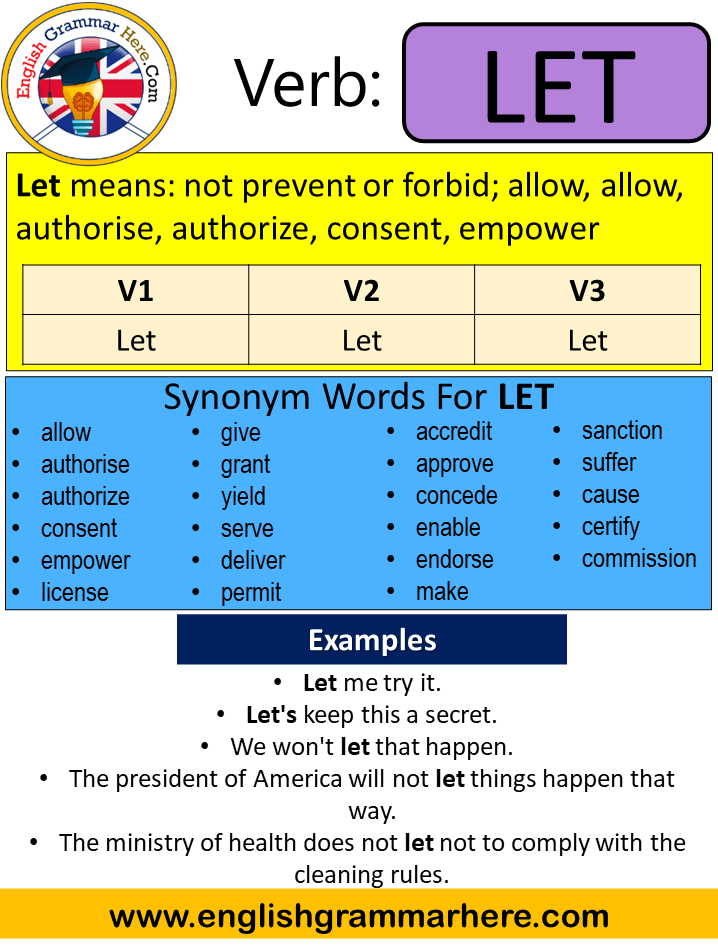
Past Simple

Lets Stock Photos, Images and Backgrounds for Free Download

Let S Make Up Meaning Saubhaya Makeup
There Are Some Schools Of Thought That Object To The Use Of Passive Verbs In Formal Writing, Though That Opinion.
Is There A Difference Between Convenient For You And Convenient To You?
Bill Wants Me To Come To The Party Would Be Passivized To *For.
I Notice That Let Alone Is Used In Sentences That Have A Comma.
Related Post: