
Know Your Client Template
Know Your Client Template - Oed doesn't record dunsel, or dunsail. I've playing a game called gta san andreas and in the second mission the character of the game says this sentence busta straight busta according to the urban dictionary: Know all of you that i, for the good of my soul, and the souls of my ancestors and successors, have granted, and by this my present charter have confirmed, on behalf of me and my heirs for. 'know of' is used when you have personal. The guys who actually perform due dilligence know exactly what it means, and what they have to do. An additional sail set at the end of a yard to increase. But what's intriguing to me is the third. Would you be so kind as to tell me if/whether you have checked. Recently one of my friends told me that there is distinct difference between 'know of something' and 'know about something' expressions. Where exactly must the hyphen split the word? An additional sail set at the end of a yard to increase. Where exactly must the hyphen split the word? You don't just randomly apply that kind of due dilligence to any old problem you happen. Completely vs in full vs totally vs entirely i assume. Would you be so kind as to tell me if/whether you have checked. I know about programming, [but/although] i have a little bit of confusion in java programming. 'know of' is used when you have personal. Know all of you that i, for the good of my soul, and the souls of my ancestors and successors, have granted, and by this my present charter have confirmed, on behalf of me and my heirs for. Recently one of my friends told me that there is distinct difference between 'know of something' and 'know about something' expressions. The guys who actually perform due dilligence know exactly what it means, and what they have to do. An additional sail set at the end of a yard to increase. What are the rules in english language to split words at the end of a line? I know about programming, [but/although] i have a little bit of confusion in java programming. But what's intriguing to me is the third. If, on the other hand, you want to ask. The guys who actually perform due dilligence know exactly what it means, and what they have to do. Would you be so kind as to tell me if/whether you have checked. But what's intriguing to me is the third. Where exactly must the hyphen split the word? I've playing a game called gta san andreas and in the second mission. An additional sail set at the end of a yard to increase. Recently one of my friends told me that there is distinct difference between 'know of something' and 'know about something' expressions. Where exactly must the hyphen split the word? Strictly speaking, only the the first sentence is unambiguously correct: What are the rules in english language to split. 'know of' is used when you have personal. The guys who actually perform due dilligence know exactly what it means, and what they have to do. Recently one of my friends told me that there is distinct difference between 'know of something' and 'know about something' expressions. Completely vs in full vs totally vs entirely i assume. Strictly speaking, only. Know all of you that i, for the good of my soul, and the souls of my ancestors and successors, have granted, and by this my present charter have confirmed, on behalf of me and my heirs for. I can find the tool neither in the kitchen nor in the bathroom. I know about programming, [but/although] i have a little. The guys who actually perform due dilligence know exactly what it means, and what they have to do. Recently one of my friends told me that there is distinct difference between 'know of something' and 'know about something' expressions. Completely vs in full vs totally vs entirely i assume. You don't just randomly apply that kind of due dilligence to. What are the rules in english language to split words at the end of a line? Recently one of my friends told me that there is distinct difference between 'know of something' and 'know about something' expressions. In almost all situations but and although are synonyms. 'know of' is used when you have personal. I can find the tool neither. If, on the other hand, you want to ask whether somebody has already checked your file, you should go with: Know all of you that i, for the good of my soul, and the souls of my ancestors and successors, have granted, and by this my present charter have confirmed, on behalf of me and my heirs for. Oed doesn't. 'know of' is used when you have personal. I can find the tool neither in the kitchen nor in the bathroom. I know about programming, [but/although] i have a little bit of confusion in java programming. Strictly speaking, only the the first sentence is unambiguously correct: Recently one of my friends told me that there is distinct difference between 'know. Would you be so kind as to tell me if/whether you have checked. Completely vs in full vs totally vs entirely i assume. I know about programming, [but/although] i have a little bit of confusion in java programming. Strictly speaking, only the the first sentence is unambiguously correct: An additional sail set at the end of a yard to increase. Recently one of my friends told me that there is distinct difference between 'know of something' and 'know about something' expressions. The guys who actually perform due dilligence know exactly what it means, and what they have to do. Oed doesn't record dunsel, or dunsail. What are the rules in english language to split words at the end of a line? I can find the tool neither in the kitchen nor in the bathroom. Know all of you that i, for the good of my soul, and the souls of my ancestors and successors, have granted, and by this my present charter have confirmed, on behalf of me and my heirs for. Where exactly must the hyphen split the word? But what's intriguing to me is the third. Strictly speaking, only the the first sentence is unambiguously correct: Would you be so kind as to tell me if/whether you have checked. An additional sail set at the end of a yard to increase. In almost all situations but and although are synonyms. Completely vs in full vs totally vs entirely i assume. I know about programming, [but/although] i have a little bit of confusion in java programming.
Client Template 1 (1) PDF

Know Your Client Form Template Printable Word Searches
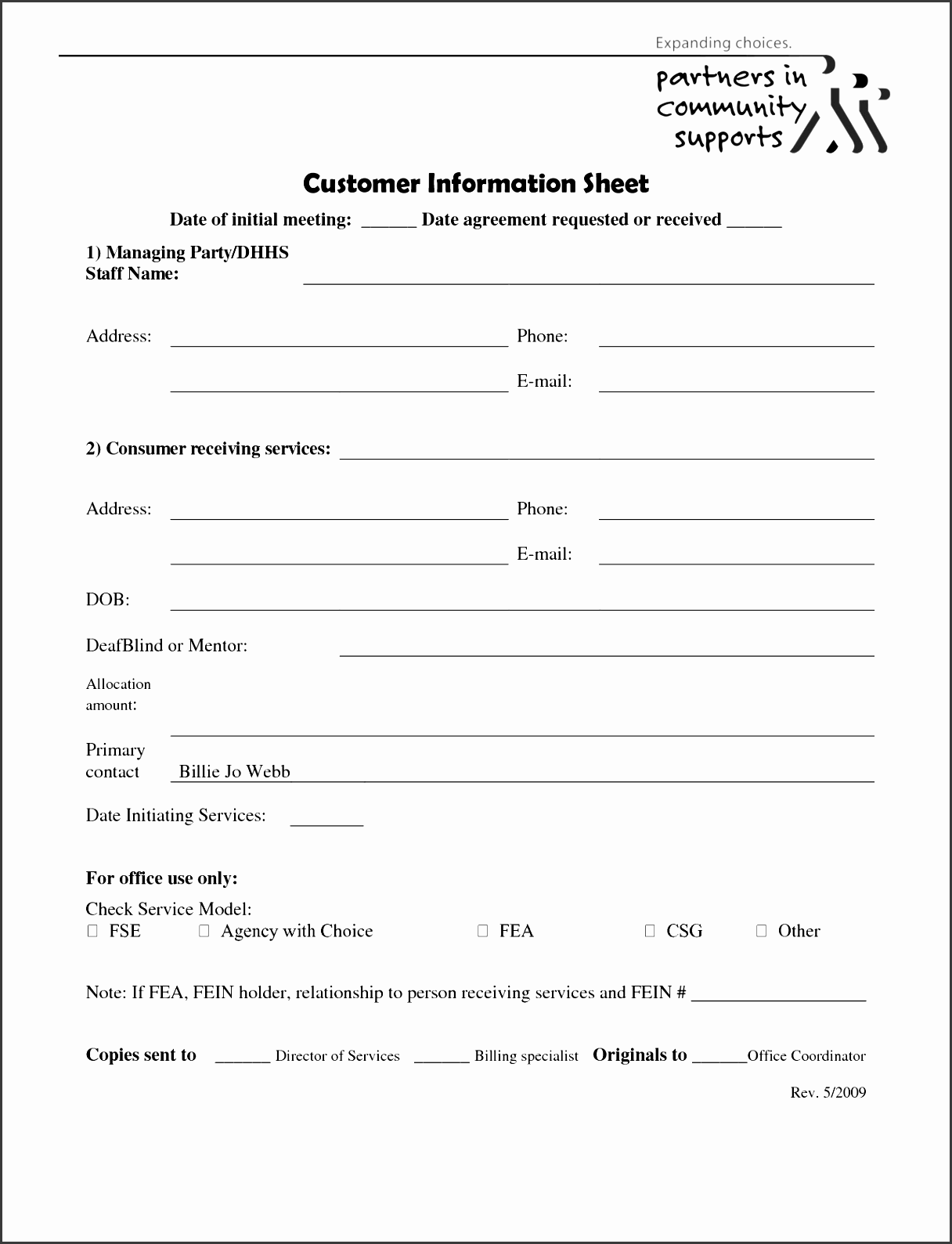
New Customer Form Template Free Luxury Client Information Form Template

Know Your Client (KYC) Template in Word doc Know Your Client
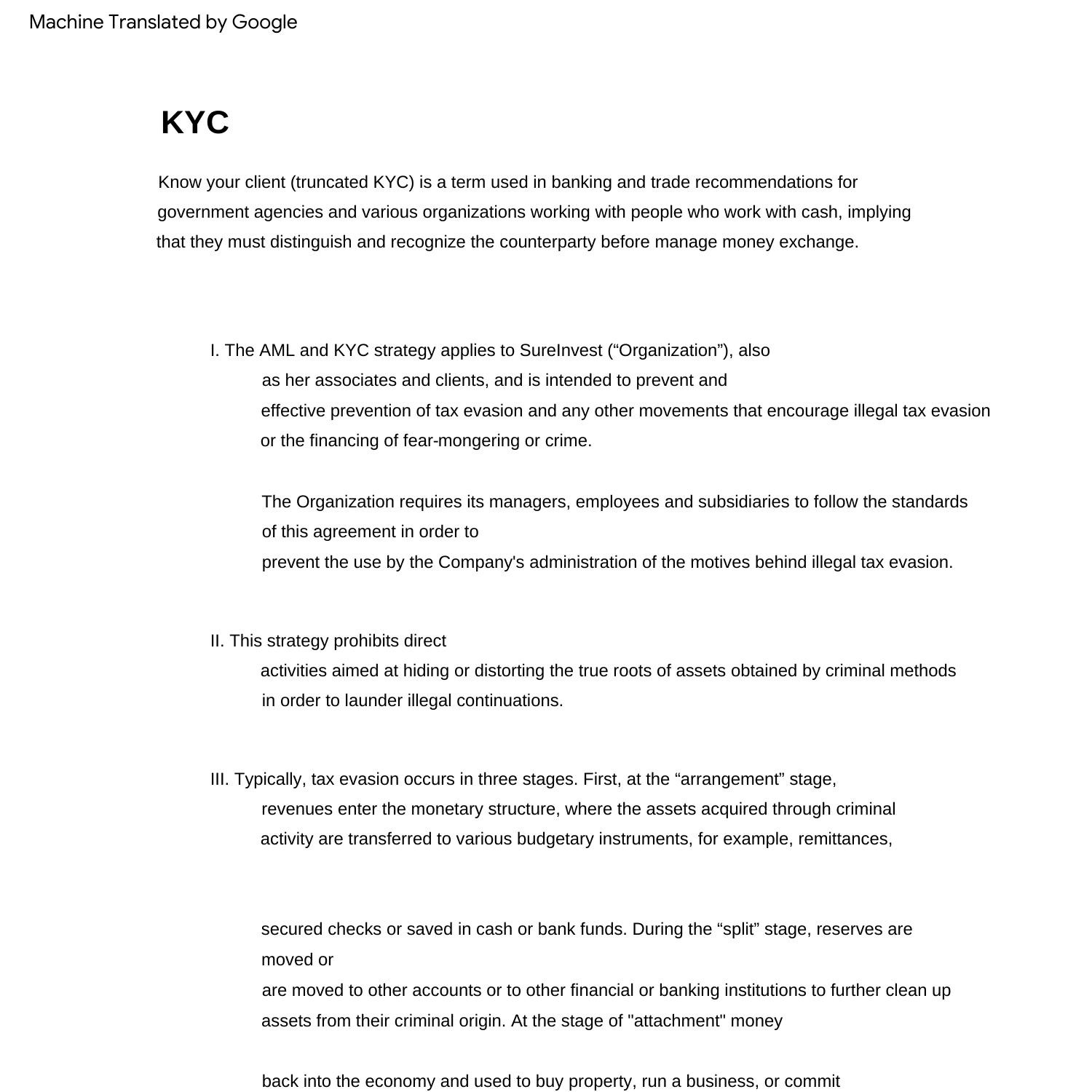
Know_your_client.pdf DocDroid
Know Your Client PDF

Printable Client Information Sheet

Simple New Client Intake Form (Canva Template) The Practice Lab

Client Information Sheet Template Excel
Cicular016 Know Your Client PDF Value Added Tax Cheque
If, On The Other Hand, You Want To Ask Whether Somebody Has Already Checked Your File, You Should Go With:
I've Playing A Game Called Gta San Andreas And In The Second Mission The Character Of The Game Says This Sentence Busta Straight Busta According To The Urban Dictionary:
You Don't Just Randomly Apply That Kind Of Due Dilligence To Any Old Problem You Happen.
'Know Of' Is Used When You Have Personal.
Related Post:

