
Geometric Template
Geometric Template - After looking at other derivations, i get the feeling that this. Now lets do it using the geometric method that is repeated multiplication, in this case we start with x goes from 0 to 5 and our sequence goes like this: With this fact, you can conclude a relation between a4 a 4 and. Since the sequence is geometric with ratio r r, a2 = ra1,a3 = ra2 = r2a1, a 2 = r a 1, a 3 = r a 2 = r 2 a 1, and so on. The geometric multiplicity is the number of linearly independent vectors, and each vector is the solution to one algebraic eigenvector equation, so there must be at least as much algebraic. 21 it might help to think of multiplication of real numbers in a more geometric fashion. I also am confused where the negative a comes from in the. 2 a clever solution to find the expected value of a geometric r.v. Is those employed in this video lecture of the mitx course introduction to probability: Geometric and arithmetic are two names that are given to different sequences that follow a rather strict pattern for how one term follows from the one before. Geometric and arithmetic are two names that are given to different sequences that follow a rather strict pattern for how one term follows from the one before. The geometric multiplicity is the number of linearly independent vectors, and each vector is the solution to one algebraic eigenvector equation, so there must be at least as much algebraic. 2 a clever solution to find the expected value of a geometric r.v. Since the sequence is geometric with ratio r r, a2 = ra1,a3 = ra2 = r2a1, a 2 = r a 1, a 3 = r a 2 = r 2 a 1, and so on. Now lets do it using the geometric method that is repeated multiplication, in this case we start with x goes from 0 to 5 and our sequence goes like this: 21 it might help to think of multiplication of real numbers in a more geometric fashion. So for, the above formula, how did they get (n + 1) (n + 1) a for the geometric progression when r = 1 r = 1. Is those employed in this video lecture of the mitx course introduction to probability: With this fact, you can conclude a relation between a4 a 4 and. 2 2 times 3 3 is the length of the interval you get starting with an interval of length 3 3. So for, the above formula, how did they get (n + 1) (n + 1) a for the geometric progression when r = 1 r = 1. 2 a clever solution to find the expected value of a geometric r.v. I also am confused where the negative a comes from in the. Geometric and arithmetic are two names that are. I also am confused where the negative a comes from in the. The geometric multiplicity is the number of linearly independent vectors, and each vector is the solution to one algebraic eigenvector equation, so there must be at least as much algebraic. 2 a clever solution to find the expected value of a geometric r.v. 21 it might help to. Is those employed in this video lecture of the mitx course introduction to probability: So for, the above formula, how did they get (n + 1) (n + 1) a for the geometric progression when r = 1 r = 1. I also am confused where the negative a comes from in the. Formula for infinite sum of a geometric. 2 a clever solution to find the expected value of a geometric r.v. After looking at other derivations, i get the feeling that this. For example, there is a geometric progression but no exponential progression article on wikipedia, so perhaps the term geometric is a bit more accurate, mathematically speaking?. Is those employed in this video lecture of the mitx. After looking at other derivations, i get the feeling that this. Now lets do it using the geometric method that is repeated multiplication, in this case we start with x goes from 0 to 5 and our sequence goes like this: Since the sequence is geometric with ratio r r, a2 = ra1,a3 = ra2 = r2a1, a 2 =. Now lets do it using the geometric method that is repeated multiplication, in this case we start with x goes from 0 to 5 and our sequence goes like this: 21 it might help to think of multiplication of real numbers in a more geometric fashion. With this fact, you can conclude a relation between a4 a 4 and. Since. Now lets do it using the geometric method that is repeated multiplication, in this case we start with x goes from 0 to 5 and our sequence goes like this: Geometric and arithmetic are two names that are given to different sequences that follow a rather strict pattern for how one term follows from the one before. 21 it might. 21 it might help to think of multiplication of real numbers in a more geometric fashion. Now lets do it using the geometric method that is repeated multiplication, in this case we start with x goes from 0 to 5 and our sequence goes like this: 2 a clever solution to find the expected value of a geometric r.v. For. Geometric and arithmetic are two names that are given to different sequences that follow a rather strict pattern for how one term follows from the one before. Now lets do it using the geometric method that is repeated multiplication, in this case we start with x goes from 0 to 5 and our sequence goes like this: Is those employed. The geometric multiplicity is the number of linearly independent vectors, and each vector is the solution to one algebraic eigenvector equation, so there must be at least as much algebraic. For example, there is a geometric progression but no exponential progression article on wikipedia, so perhaps the term geometric is a bit more accurate, mathematically speaking?. After looking at other. 2 a clever solution to find the expected value of a geometric r.v. Geometric and arithmetic are two names that are given to different sequences that follow a rather strict pattern for how one term follows from the one before. I also am confused where the negative a comes from in the. 21 it might help to think of multiplication of real numbers in a more geometric fashion. For example, there is a geometric progression but no exponential progression article on wikipedia, so perhaps the term geometric is a bit more accurate, mathematically speaking?. Formula for infinite sum of a geometric series with increasing term ask question asked 10 years, 10 months ago modified 10 years, 10 months ago Since the sequence is geometric with ratio r r, a2 = ra1,a3 = ra2 = r2a1, a 2 = r a 1, a 3 = r a 2 = r 2 a 1, and so on. Is those employed in this video lecture of the mitx course introduction to probability: So for, the above formula, how did they get (n + 1) (n + 1) a for the geometric progression when r = 1 r = 1. Now lets do it using the geometric method that is repeated multiplication, in this case we start with x goes from 0 to 5 and our sequence goes like this: After looking at other derivations, i get the feeling that this.
Premium Photo Abstract rainbow colored geometric background with lots

Abstract trendy geometric patterns in multiple colors and shapes for

Geometric Diagrams Models And Shapes Image Result For Geomet
Geometric Shapes
Geometric shapes patterns. Black lines simple abstract. A set of

Geometric Shapes

Geometric List with Free Printable Chart — Mashup Math
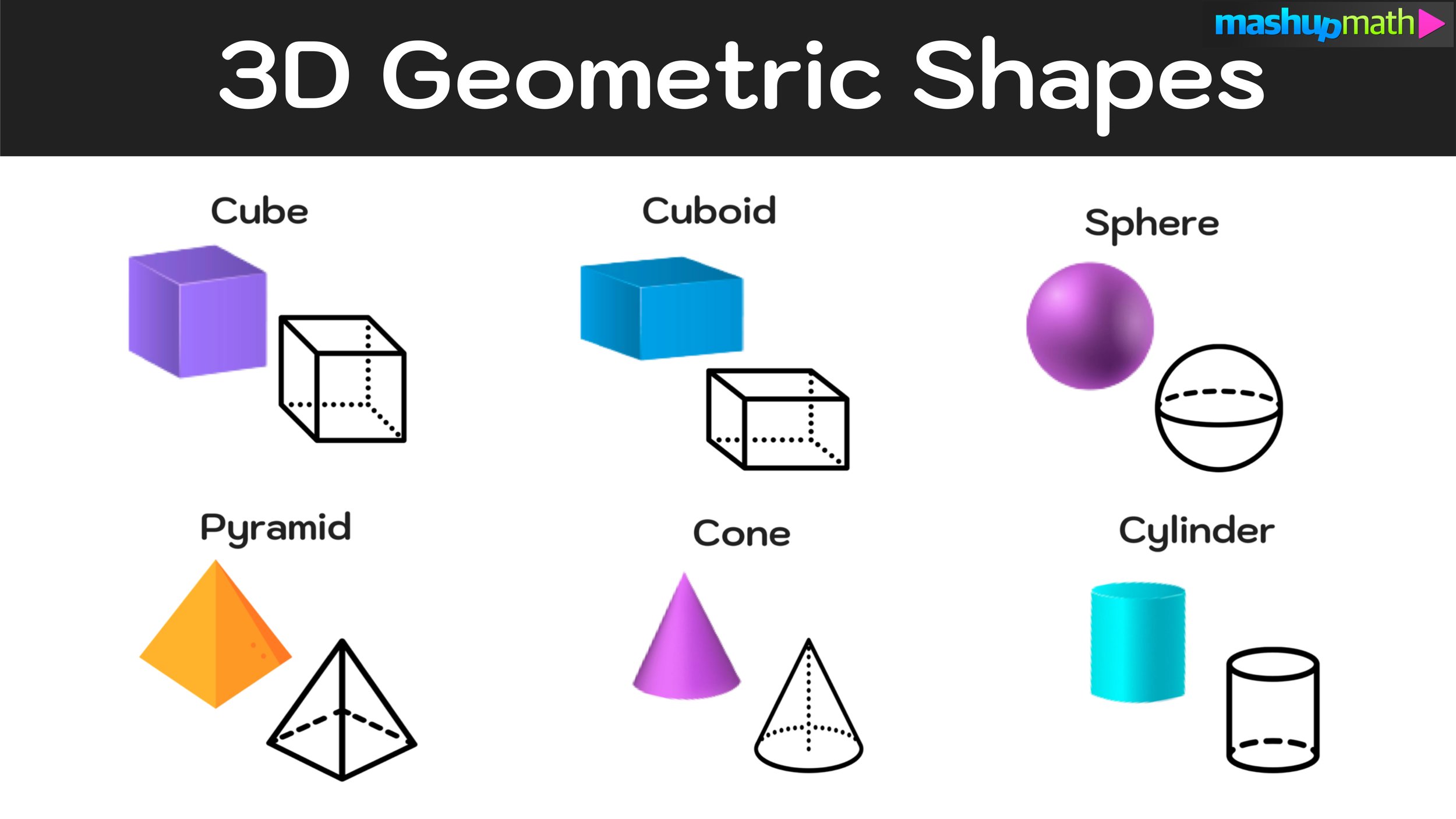
Geometric List with Free Printable Chart — Mashup Math

Abstract geometric pattern design with simple geometric shapes and

Coloful Geometric Images Free Download on Freepik
With This Fact, You Can Conclude A Relation Between A4 A 4 And.
2 2 Times 3 3 Is The Length Of The Interval You Get Starting With An Interval Of Length 3 3.
The Geometric Multiplicity Is The Number Of Linearly Independent Vectors, And Each Vector Is The Solution To One Algebraic Eigenvector Equation, So There Must Be At Least As Much Algebraic.
Related Post: