
Free Medical Invoice Template
Free Medical Invoice Template - 6 for free is an informal phrase used to mean without cost or payment. these professionals were giving their time for free. You should not use it where. The usage examples i have seen (mostly emails) cannot exactly be considered grammatical canon. I think the wording of my example works well—just calling them. If so, my analysis amounts to a rule in search of actual usage—a prescription rather than a description. I have encountered the phrase due diligence in the business world. I'm unable to find concrete examples on any authoritative source either way. My colleagues were arguing about the correct spelling of complimentary. Following the last reasoning, wouldn't it be so that at , instead of in the weekend, is the britishly recognized usage because it refers to an specific time in the week? Compounds and phrases [compound nouns vs free combinations, collocations] ask question asked 10 years, 4 months ago modified 5 years, 2 months ago Following the last reasoning, wouldn't it be so that at , instead of in the weekend, is the britishly recognized usage because it refers to an specific time in the week? Compounds and phrases [compound nouns vs free combinations, collocations] ask question asked 10 years, 4 months ago modified 5 years, 2 months ago In any event, the impressive rise of free of against free from over. I got a bit mixed up just now regarding the difference between complimentary and complementary. The choice of prepositions depends upon the temporal context in which you're speaking. If you are storing documents, however, you should choose either the mediumtext or longtext type. The usage examples i have seen (mostly emails) cannot exactly be considered grammatical canon. 6 for free is an informal phrase used to mean without cost or payment. these professionals were giving their time for free. I have encountered the phrase due diligence in the business world. You should not use it where. I have encountered the phrase due diligence in the business world. Following the last reasoning, wouldn't it be so that at , instead of in the weekend, is the britishly recognized usage because it refers to an specific time in the week? I got a bit mixed up just now regarding the difference between complimentary and complementary. The choice of. My colleagues were arguing about the correct spelling of complimentary. In any event, the impressive rise of free of against free from over. The choice of prepositions depends upon the temporal context in which you're speaking. You should not use it where. On ~ afternoon implies that the afternoon is a single point in time; I think the wording of my example works well—just calling them. The choice of prepositions depends upon the temporal context in which you're speaking. I'm unable to find concrete examples on any authoritative source either way. You should not use it where. My colleagues were arguing about the correct spelling of complimentary. If so, my analysis amounts to a rule in search of actual usage—a prescription rather than a description. I have encountered the phrase due diligence in the business world. In any event, the impressive rise of free of against free from over. On ~ afternoon implies that the afternoon is a single point in time; If you are storing documents,. You should not use it where. Following the last reasoning, wouldn't it be so that at , instead of in the weekend, is the britishly recognized usage because it refers to an specific time in the week? On ~ afternoon implies that the afternoon is a single point in time; I have encountered the phrase due diligence in the business. If you are storing documents, however, you should choose either the mediumtext or longtext type. The choice of prepositions depends upon the temporal context in which you're speaking. Compounds and phrases [compound nouns vs free combinations, collocations] ask question asked 10 years, 4 months ago modified 5 years, 2 months ago 6 for free is an informal phrase used to. You should not use it where. Following the last reasoning, wouldn't it be so that at , instead of in the weekend, is the britishly recognized usage because it refers to an specific time in the week? If so, my analysis amounts to a rule in search of actual usage—a prescription rather than a description. The usage examples i have. I got a bit mixed up just now regarding the difference between complimentary and complementary. My colleagues were arguing about the correct spelling of complimentary. In any event, the impressive rise of free of against free from over. Following the last reasoning, wouldn't it be so that at , instead of in the weekend, is the britishly recognized usage because. If you are storing documents, however, you should choose either the mediumtext or longtext type. My colleagues were arguing about the correct spelling of complimentary. On ~ afternoon implies that the afternoon is a single point in time; I'm unable to find concrete examples on any authoritative source either way. 6 for free is an informal phrase used to mean. The usage examples i have seen (mostly emails) cannot exactly be considered grammatical canon. Following the last reasoning, wouldn't it be so that at , instead of in the weekend, is the britishly recognized usage because it refers to an specific time in the week? I got a bit mixed up just now regarding the difference between complimentary and complementary.. Following the last reasoning, wouldn't it be so that at , instead of in the weekend, is the britishly recognized usage because it refers to an specific time in the week? I got a bit mixed up just now regarding the difference between complimentary and complementary. 6 for free is an informal phrase used to mean without cost or payment. these professionals were giving their time for free. If you are storing documents, however, you should choose either the mediumtext or longtext type. In any event, the impressive rise of free of against free from over. I think the wording of my example works well—just calling them. Compounds and phrases [compound nouns vs free combinations, collocations] ask question asked 10 years, 4 months ago modified 5 years, 2 months ago If so, my analysis amounts to a rule in search of actual usage—a prescription rather than a description. The usage examples i have seen (mostly emails) cannot exactly be considered grammatical canon. You should not use it where. On ~ afternoon implies that the afternoon is a single point in time; I have encountered the phrase due diligence in the business world.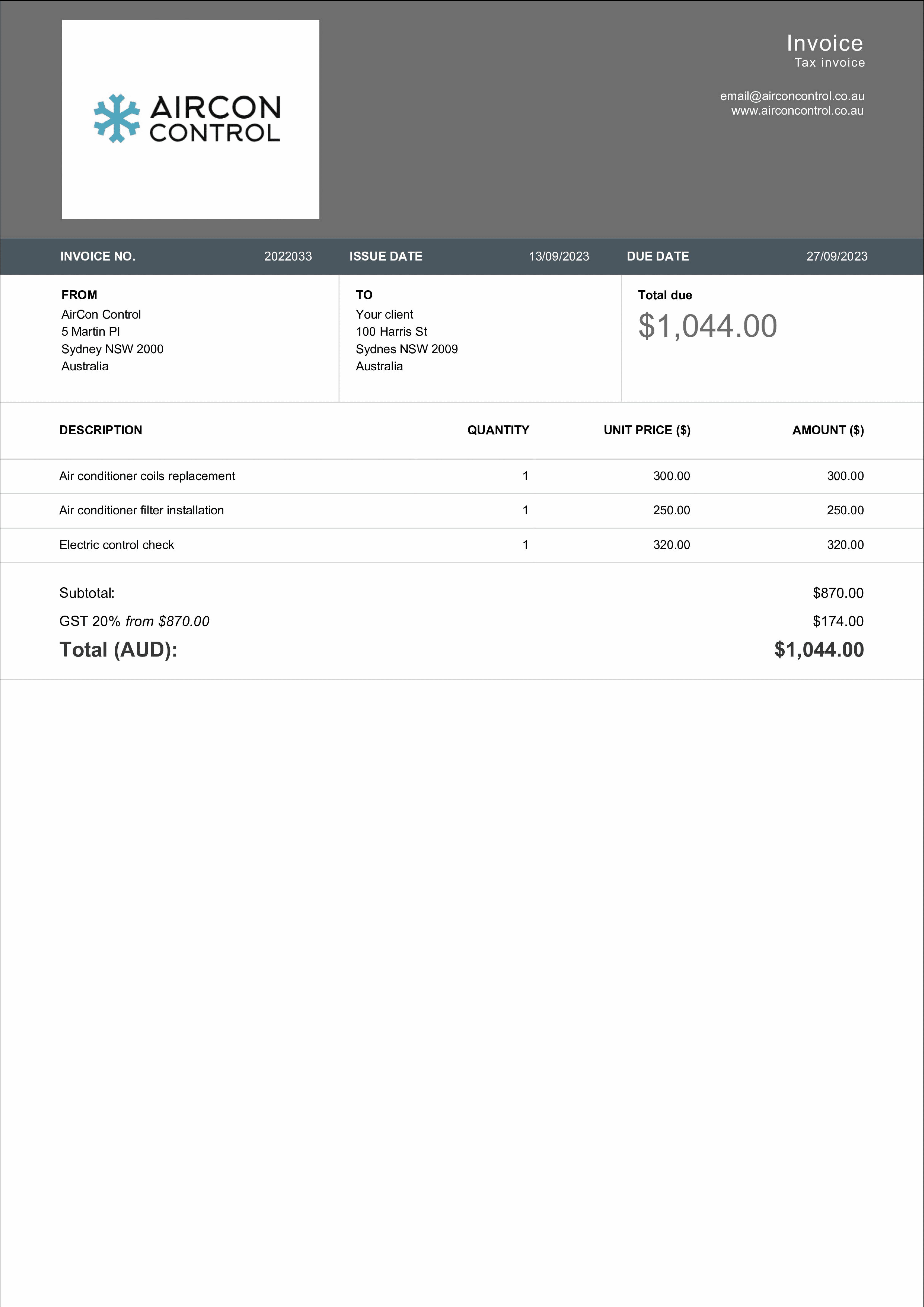
HVAC Invoice Templates Free & Editable Billdu

3 Free Plugins to Print Invoice and Other Shipping

Invoice Design Template with Red and White Lines
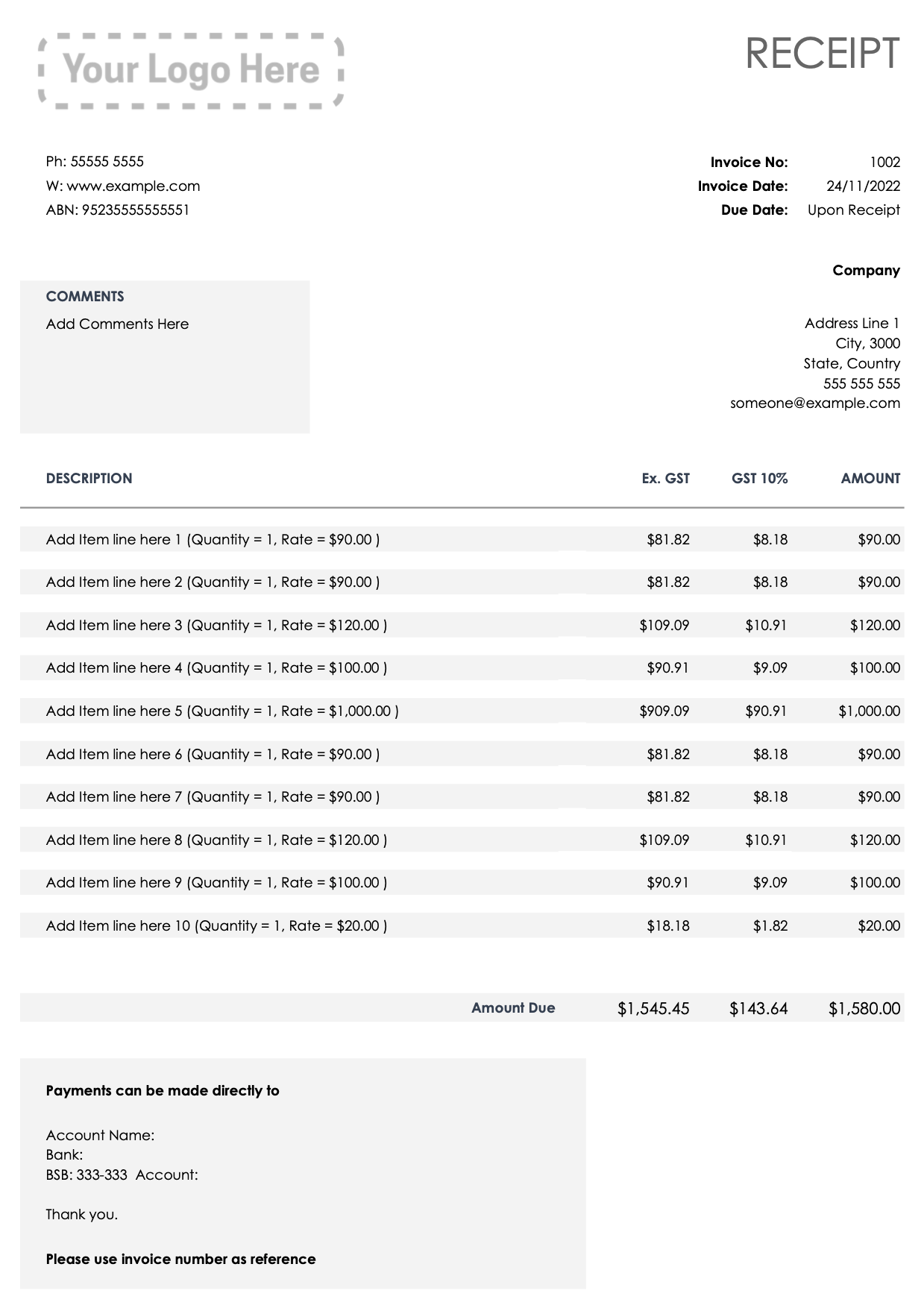
GST invoice template AUS Invoice Maker for Google Sheets™
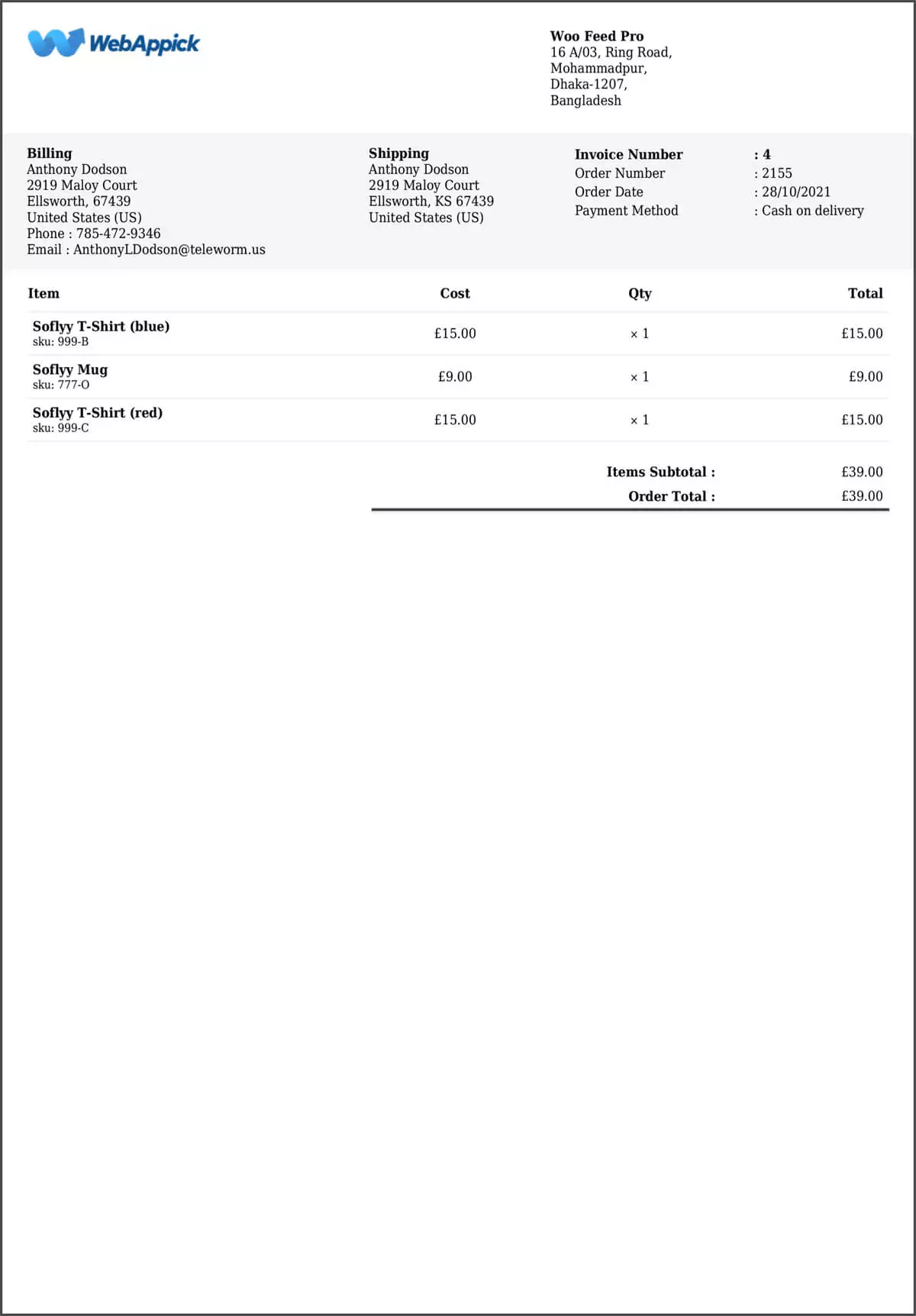
Commercial Invoice Template All You Need To Know in 2024
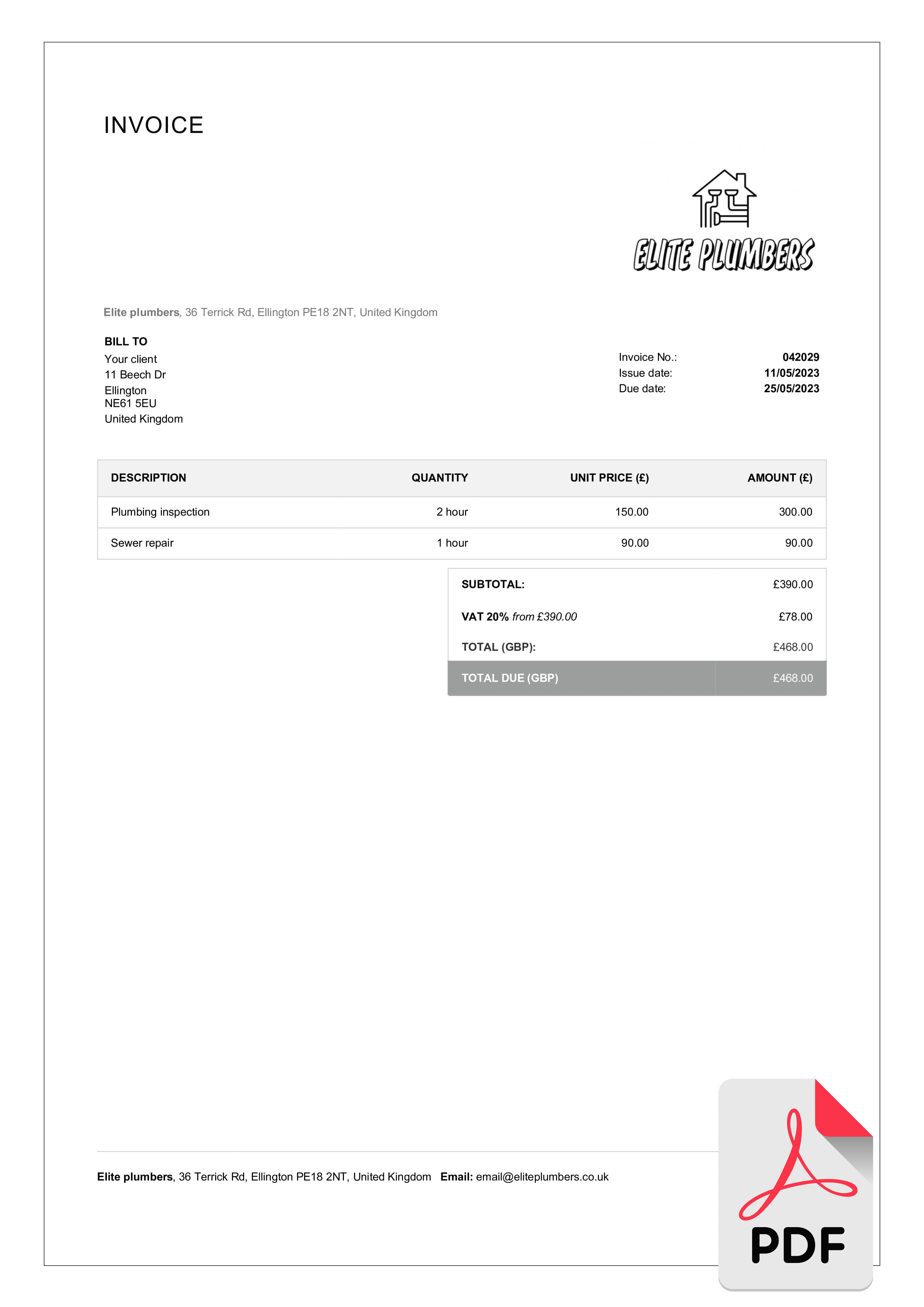
Free Professional Plumbing Invoice Templates in PDF Billdu

Free Photography Invoice Templates Billdu
Invoice PDF

Free Medical Invoice Templates Billdu
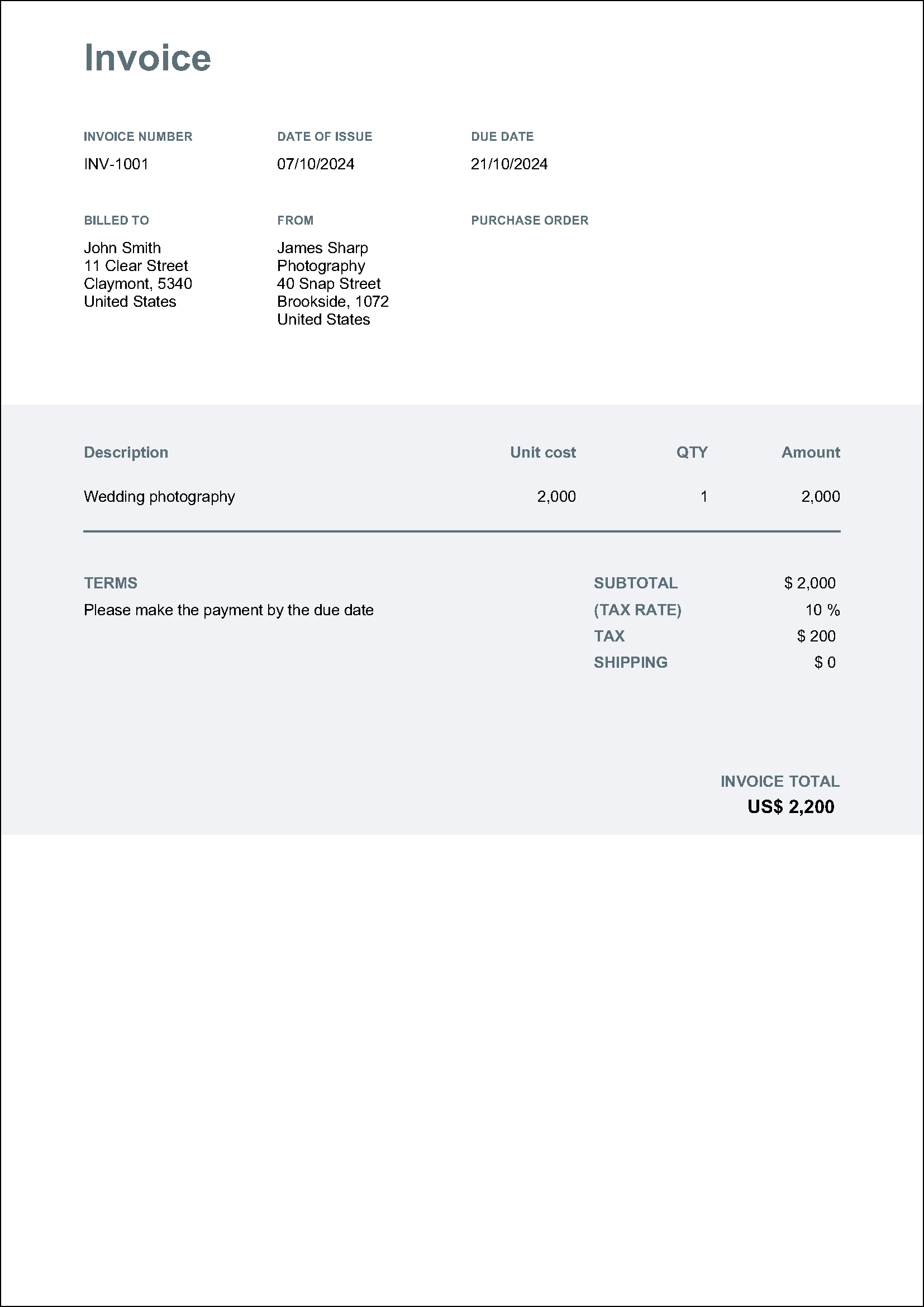
The best free invoice generators in 2025 India
I'm Unable To Find Concrete Examples On Any Authoritative Source Either Way.
My Colleagues Were Arguing About The Correct Spelling Of Complimentary.
The Choice Of Prepositions Depends Upon The Temporal Context In Which You're Speaking.
Related Post:
