
Ansible Jinja2 Template Example
Ansible Jinja2 Template Example - In the context of ansible, the template engine of choice is jinja2. Ansible template module helps to template a file out to a remote server. Simply put, at runtime ansible template module updates the jinja2 interpolation syntax variables with. For example, you can create a template for a configuration file, then deploy that configuration file to multiple environments. It means one template can inherit from another template. One of the most versatile features of ansible is its integration with jinja2, a templating engine for python. You will create mostly configuration templates in jinja2 format, and address them in your playbooks with the. In this chapter, you will learn how to use jinja2 templates in ansible to automate the creation of dynamic and customized configuration files on managed nodes. In this guide, we will explain how to use jinja2 template in ansible playbook. Jinja2 allows the creation of dynamic templates in which. Jinja 2 supports template inheritance, which is one of the most powerful and useful features of any template engine. In the context of ansible, the template engine of choice is jinja2. In this guide, we will explain how to use jinja2 template in ansible playbook. One of the most versatile features of ansible is its integration with jinja2, a templating engine for python. Simply put, at runtime ansible template module updates the jinja2 interpolation syntax variables with. You will create mostly configuration templates in jinja2 format, and address them in your playbooks with the. It means one template can inherit from another template. Jinja2 allows the creation of dynamic templates in which. You can use templating with the template module. For example, you can create a template for a configuration file, then deploy that configuration file to multiple environments. Ansible template module helps to template a file out to a remote server. Simply put, at runtime ansible template module updates the jinja2 interpolation syntax variables with. You can use templating with the template module. In the context of ansible, the template engine of choice is jinja2. You will create mostly configuration templates in jinja2 format, and address them in. In this chapter, you will learn how to use jinja2 templates in ansible to automate the creation of dynamic and customized configuration files on managed nodes. In the context of ansible, the template engine of choice is jinja2. Ansible template module helps to template a file out to a remote server. It means one template can inherit from another template.. Simply put, at runtime ansible template module updates the jinja2 interpolation syntax variables with. It means one template can inherit from another template. You can use templating with the template module. Ansible template module helps to template a file out to a remote server. Jinja 2 supports template inheritance, which is one of the most powerful and useful features of. Jinja2 allows the creation of dynamic templates in which. It means one template can inherit from another template. Simply put, at runtime ansible template module updates the jinja2 interpolation syntax variables with. Ansible template module helps to template a file out to a remote server. Jinja 2 supports template inheritance, which is one of the most powerful and useful features. For example, you can create a template for a configuration file, then deploy that configuration file to multiple environments. One of the most versatile features of ansible is its integration with jinja2, a templating engine for python. You can use templating with the template module. Simply put, at runtime ansible template module updates the jinja2 interpolation syntax variables with. Jinja2. You will create mostly configuration templates in jinja2 format, and address them in your playbooks with the. In the context of ansible, the template engine of choice is jinja2. You can use templating with the template module. One of the most versatile features of ansible is its integration with jinja2, a templating engine for python. Jinja 2 supports template inheritance,. For example, you can create a template for a configuration file, then deploy that configuration file to multiple environments. In this guide, we will explain how to use jinja2 template in ansible playbook. In this chapter, you will learn how to use jinja2 templates in ansible to automate the creation of dynamic and customized configuration files on managed nodes. Jinja2. In this chapter, you will learn how to use jinja2 templates in ansible to automate the creation of dynamic and customized configuration files on managed nodes. You will create mostly configuration templates in jinja2 format, and address them in your playbooks with the. It means one template can inherit from another template. Ansible template module helps to template a file. In this guide, we will explain how to use jinja2 template in ansible playbook. Simply put, at runtime ansible template module updates the jinja2 interpolation syntax variables with. It means one template can inherit from another template. One of the most versatile features of ansible is its integration with jinja2, a templating engine for python. You can use templating with. It means one template can inherit from another template. Jinja2 allows the creation of dynamic templates in which. For example, you can create a template for a configuration file, then deploy that configuration file to multiple environments. Ansible template module helps to template a file out to a remote server. Learn how to use jinja2 templates and filters in ansible. Learn how to use jinja2 templates and filters in ansible to automate dynamic configuration files. One of the most versatile features of ansible is its integration with jinja2, a templating engine for python. Ansible template module helps to template a file out to a remote server. You can use templating with the template module. Jinja2 allows the creation of dynamic templates in which. In this guide, we will explain how to use jinja2 template in ansible playbook. In this chapter, you will learn how to use jinja2 templates in ansible to automate the creation of dynamic and customized configuration files on managed nodes. Jinja 2 supports template inheritance, which is one of the most powerful and useful features of any template engine. Simply put, at runtime ansible template module updates the jinja2 interpolation syntax variables with. It means one template can inherit from another template.
Ansible Template Example Printable Word Searches

Using Ansible template Module With Ansible Jinja2 template

Ansible Template module Examples Jinja2 Templates Devops Junction
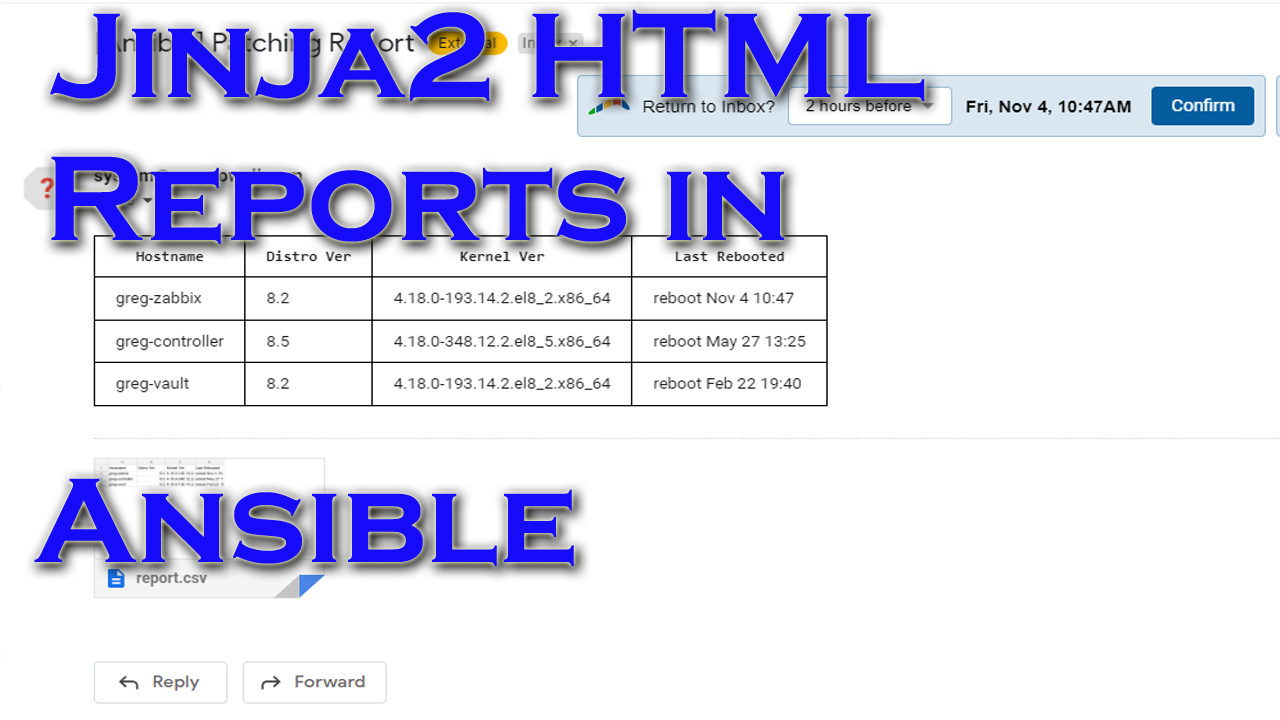
Ansible Jinja Template
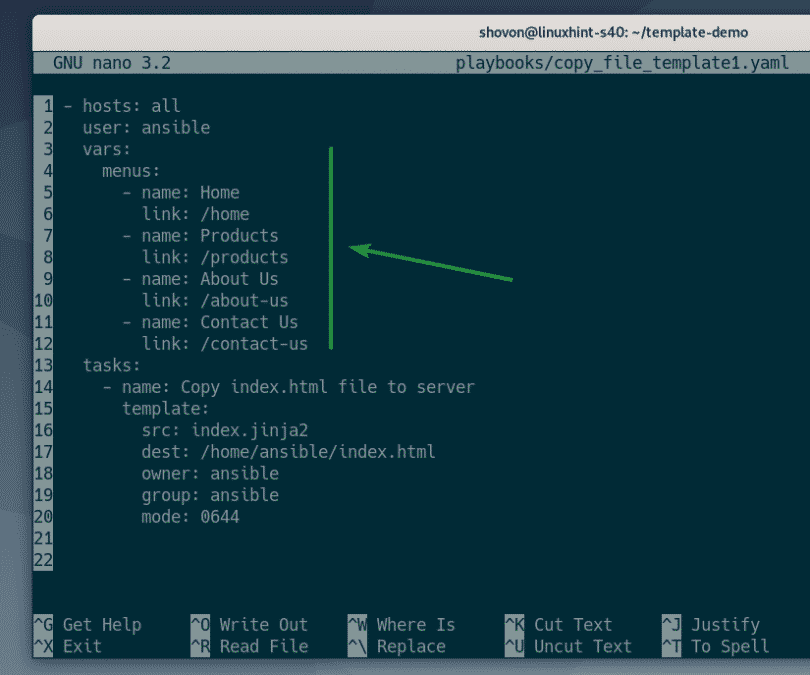
Ansible Jinja2 Template Example

Ansible Jinja Template

Ansible Template module Examples Jinja2 Templates Devops Junction

How to incorporate if else statement in Jinja template. Ansible
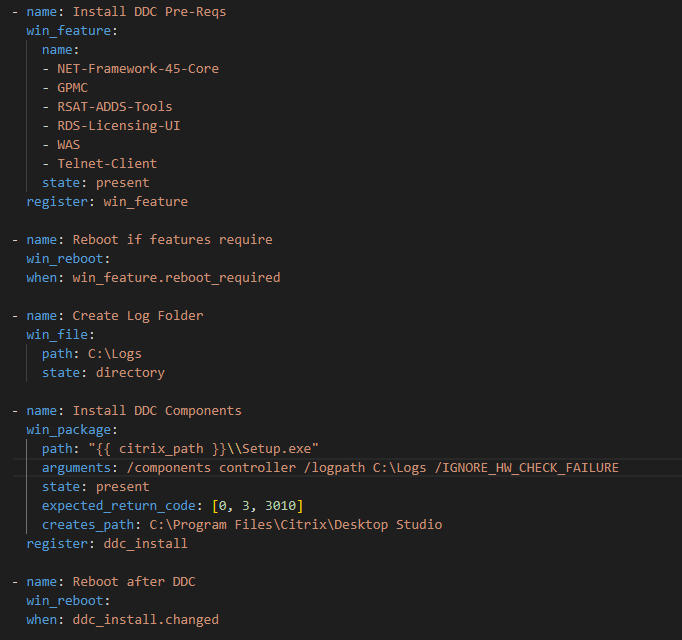
Ansible Jinja2 Template Tech with Chay
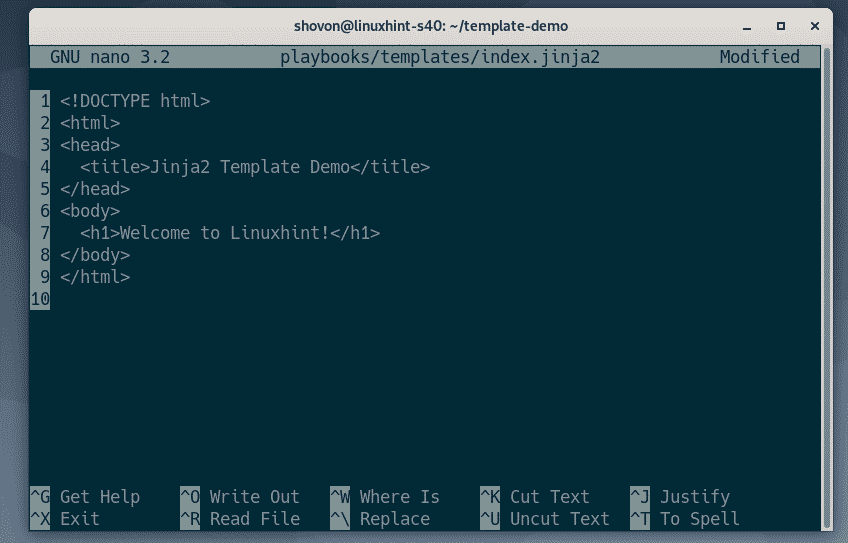
Ansible Jinja2 Template Example
For Example, You Can Create A Template For A Configuration File, Then Deploy That Configuration File To Multiple Environments.
You Will Create Mostly Configuration Templates In Jinja2 Format, And Address Them In Your Playbooks With The.
In The Context Of Ansible, The Template Engine Of Choice Is Jinja2.
Related Post: